
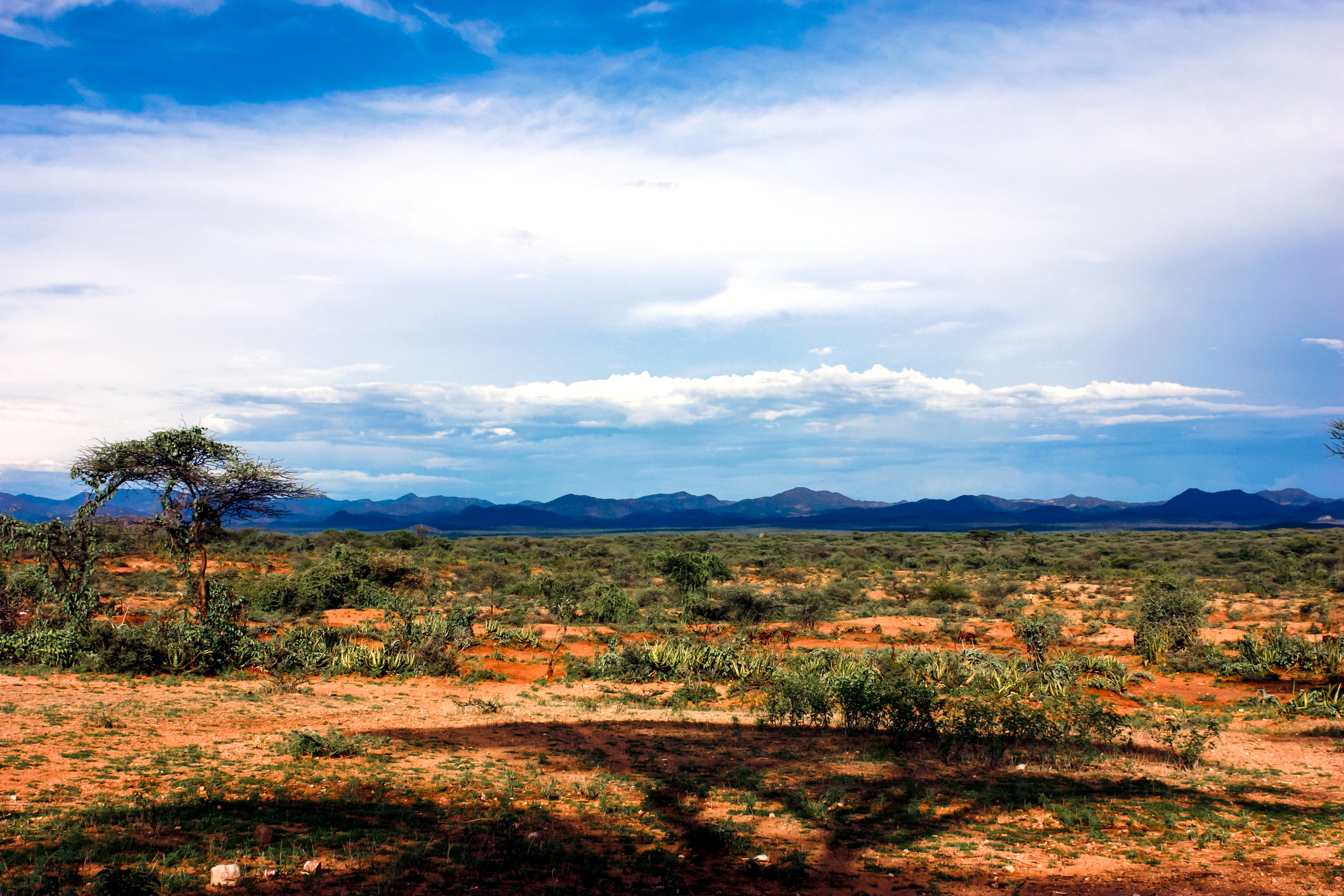
Stepping into little explored Ethiopia brings you face to face with dramatic landscapes, stunning natural attractions and a layered history. Despite years of suffering under totalitarian rule, famine, droughts and a persistent border dispute with neighboring Eritrea, Ethiopia remains one of the most enchanting destinations for adventure travelers thanks to its wealth of heritage sites, beautiful mountains and lunar-like landscapes carefully carved by nature. The country is one of Africa's most captivating cultural gems, teeming with antique remains, archaeological heritage and some of the oldest sites of the ancient world.
Ethiopia is far from being a regular holiday spot, but once you get a taste of its wonders, you will want to keep coming back for more. There are no standard tourist traps and mythical landscapes and magnificent architecture make up the capital of Addis Ababa. Important landmarks abound, ranging from the ever famous and most photographed Lion of Judah Monument to stunning Lalibela churches ornately carved out of rock dating back to antiquity.
Ethiopians have a strong cultural identity as a result of being the only country in the region to evade colonization (except for the short, five-year Italian-Mussolini regime). They have their own unique Amharic language and script, and retain age-old traditions.
While you're here, be sure not to miss a trip to the old royal capital, Aksum, with towering granite obelisks and unbelievable archaeological remains, as well as the ancient church, which is said to contain the "Lost Ark of the Covenant." Spelunking in the underground Dire Dawa Cave will take you thousands of years back with its prehistoric dwellings. If you enjoy being active, you'll love hiking up spectacular mountains and scenic plateaus. Some of the most beautiful trails are found within the Semien Mountains National Park and on the Bale Plateau moorlands.
The main tourist areas are the cities of Addis Ababa, Bahir Dar, Axum and Lalibela, along with Shashemane, Awasa, Jinka, and Wondo Genet in the south. They all offer decent, basic accommodations with more upscale hotels available. Backpackers will have no trouble finding budget hostels in the popular areas.
Getting into Ethiopia is no trouble, thanks to a good flight network at Bole International Airport in Addis Ababa. The airport is hub for many carriers, including the flagship Ethiopian Airlines, which offers direct connections to Washington-Dulles and other Asian, European, North American, and African destinations. Transportation within and between the major towns are excellent and inexpensive, so traveling from one place to another is hassle-free.
Highlights
- Tour the Ethiopian Capital, Addis Ababa, with its iconic palaces and famous landmarks, such as the Menelik Palace, Meskal Square, St. George’s Cathedral, the Ethnology Museum, and the National Museum
- Travel back in time with a visit to Aksum, the Ethiopian Kingdom’s ancient royal capital and its stunning archaeological remains
- Discover Ethiopian history in the ancient capital of Gondar, home to castle ruins like the imperial Fasil Ghebbi
- Go underground caving in the prehistoric Dire Dawa
- Hike up Bale Plateau and the Semien Mountains or trek around the picturesque Lalibela countryside
- Watch the cascading waters of one of the best waterfalls in Northern Africa, the Blue Nile Falls
- Admire the rock-hewn churches of Lalibela, including the largest monolithic church in the world, Bete Medhane Alem
- Explore the wildlife-rich nature reserves on a 4WD safari around the country
- Bathe in the natural springs of Sodere Filwoha and Awash National Park
- Sail, windsurf and waterski on Lake Langano and the largest lake in the country, Lake Tana, which is dotted by beautiful islands with glorious monasteries
- Whitewater raft on the rushing Blue Nile and Omo Rivers
- Shop at one of the largest and liveliest markets in Africa in the western part of the capital