
Bookmark and Share

Bhutan Travel Guide

Bhutan — Travel Tips

Social Conventions

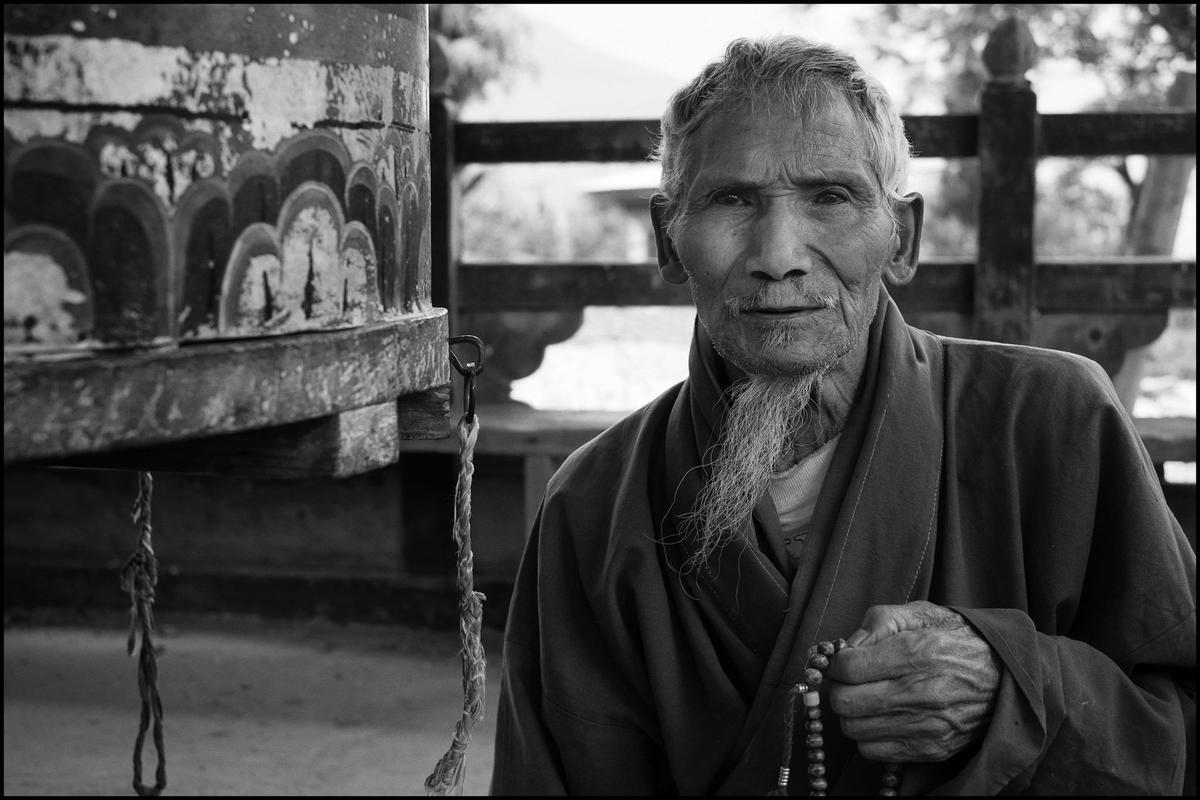
The lifestyle, manners and customs of the Bhutanese are in many respects unique to the area. The strongest influence on social conventions is the country’s state religion, and everywhere one can see the reminders of Buddhism and the original religion of Tibet, Bonism. There are no rigid clan systems and equal rights exist between men and women. The majority of the Bhutanese live an agrarian lifestyle.

In 1989, it was made compulsory for citizens to wear national dress and failure to comply at official functions or in government buildings incurs a fine; the men wear a gho, a robe resembling a dressing gown with upturned white cuffs and knee-high socks, while the women wear a kira, a sari-like garment that is furnished with ornate brooches, and worn over a blouse. Bhutan has outlawed the sale of tobacco products, and also banned smoking in public places. Healthcare and education are free. The political leaders of the country have also been religious leaders historically.

For years the country has deliberately isolated itself from visitors, a policy which is now to some extent being reversed. But Bhutan continues to bear the hallmarks of seemingly peculiar customs borne from legacy and legend. Giant phalluses can often be seen painted onto walls, etc, in order to ward off evil spirits and ensure good crops and healthy children. Climbing some of the Himalayan peaks is banned due to the belief that the mountains are the repository of the gods and all life, animal or plant, is treated with respect as a divine gift.

International Travel

Getting There By Air

Druk Air (KB) (website: www.drukair.com.bt), the national airline of Bhutan, is the only airline serving Bhutan. It is compulsory for all visitors to Bhutan to travel at least one-way by Druk Air. Druk Air operates flights from Kolkata (Calcutta), Gaya and New Delhi (India), Dhaka (Bangladesh), Kathmandu (Nepal) and Bangkok (Thailand). The Kathmandu-Paro flight has fabulous views of the Himalaya on the left-hand side.

Druk Air will only issue tickets after visa clearance (arranged by Tour Operator).

Departure Tax

Usually included in the ticket price.

Main Airports

Paro (PBH), Bhutan’s only airport, is located in a deep valley, some 2,190m (7,200ft) above sea level, surrounded by hills and high mountains. Operating conditions are fairly difficult and inclement weather can cause delays (allow extra time for connections on the return journey). To/from the airport: Transfers to Paro (journey time 20 minutes) and Thimphu (1 hour) are organized by Tour Operators or hotels.

Facilities: The airport has a bank counter and bureau de change, a cafeteria, VIP lounge, duty-free shop and a couple of small gift shops.

Departure Tax
Usually included in ticket price.

Getting There By Rail

The nearest railhead is Siliguri (India).

Getting There By Road

The road from Siliguri (West Bengal) enters Bhutan at the border town of Phuentsholing, which is 179km (111 miles) from Thimphu, and borders West Bengal, India. The crossing into India at Samdrup Jongkhar in eastern Bhutan can be closed at times due to political unrest from Assam separatists.

Duty Free

Overview

The following goods may be imported into Bhutan.

• 200 cigarettes.
• 1L of spirits.
• Personal effects for daily use, instruments or appliances for professional use and electronic equipment for personal use.

Note: Cameras, videos, mobile telephones and all other electronic equipment for personal use must be registered with the authorities on arrival and will be checked by customs on departure. Import of plants/soil is subject to quarantine. All tobacco will be subject to a 200% custom tax on arrival.

Prohibited Imports

Firearms, narcotics, plants.

Prohibited Exports

The export of antiques, religious objects, manuscripts, images and anthropological materials is strictly prohibited (regarded as those 100 years or older) and closely monitored by the Bhutanese authorities.

Internal Travel

Getting Around By Air

There are no domestic airline routes within Bhutan.

Getting Around By Road

Traffic drives on the left. The country has a fairly good internal road network with well over 3,000km (1,800 miles) of surfaced road. The average speed is less than 40kph (25mph). The main routes run north from Phuentsholing to the western regions of Paro and Thimphu, and west-east, across the Pele La Pass and Thrumshing La Pass to the central valleys and eastern regions. The northern regions of the High Himalayas have no roads. Tour operators will arrange all internal travel for tourists, which will usually be by road.

Bus: Buses are often crowded and journeys slow due to the mountainous terrain. Yaks, ponies and mules are still a main form of transportation in remote areas. The main routes are from Phuentsholing to Thimphu, Thimphu to Bumthang, Bumthang to Tashigang, Tashigang to Samdrup Jongkar and from Tongsa to Gaylegphug but as a rule, local buses are not for tourists.

Journey Times

The following chart gives approximate journey times (in hours and minutes) from Thimphu to other major towns in the country.

Road
Paro 1.00
P’sholing 6.00
Punakha 3.00
Bumthang 10.00

Featured Tours to Bhutan

PlanetWare.com Travel Guides