
Hidden in the Amazonia region between Suriname and Brazil, French Guiana is the only territory in mainland South America still overseen by a foreign government. Thanks to French support, it is the richest and most stable in the region, and also serves as an important spaceport. Some travelers say that it is not as charming as its neighbors, but it is nevertheless a captivating destination with an interesting blend of attractions, colorful cultural, historical background, and natural treasures.
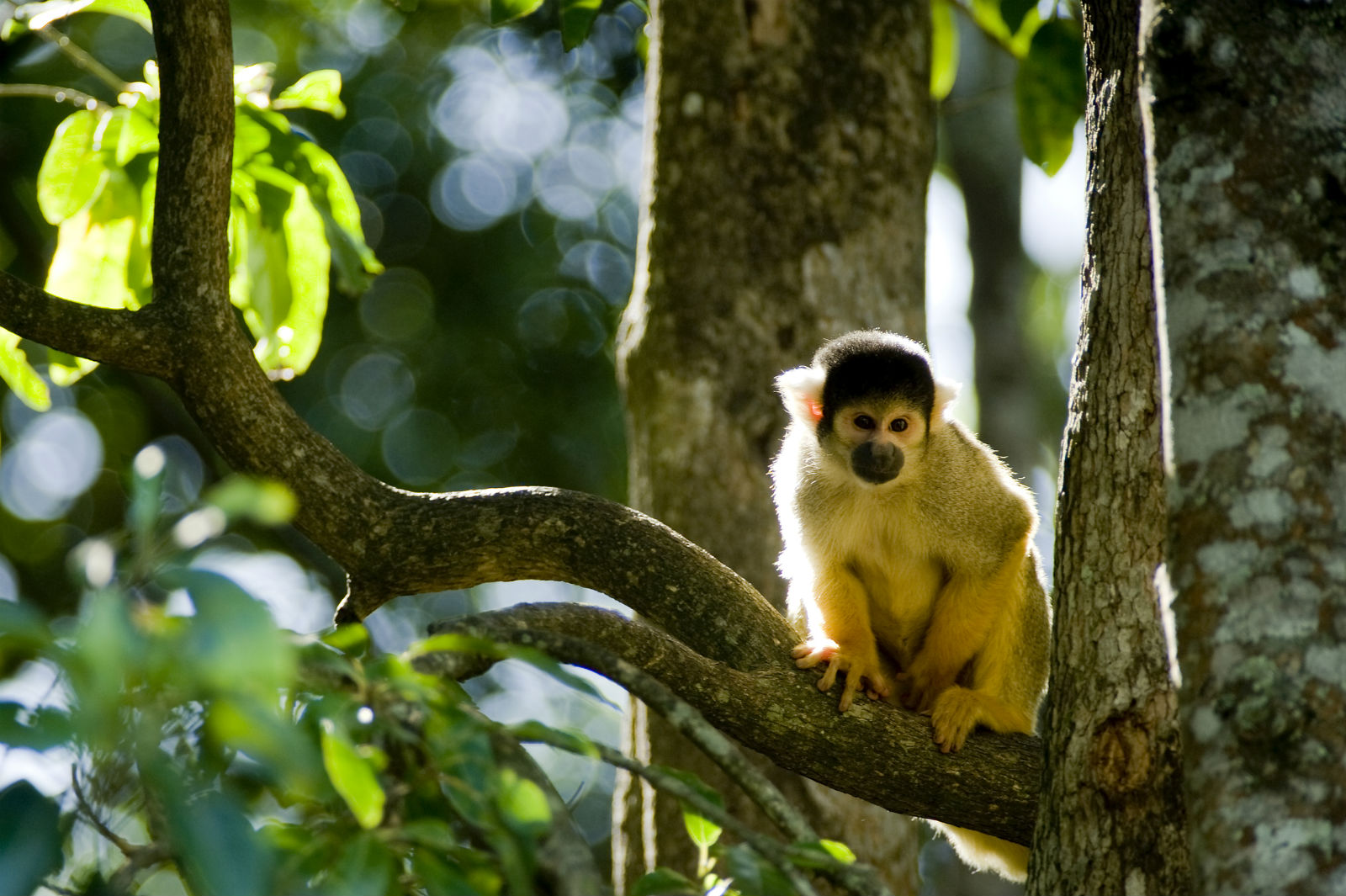
This northeast coast is a beautiful mix of mountainous terrain, rivers and lovely beaches, while inland are thick equatorial jungles home to some of the most extraordinary species of flora and fauna in the world. French Guiana may not offer outstanding heritage sites, but its lavish colonial architecture and ghostly prison camps say a lot about its harried past.
Those seeking outdoor adventures will not be disappointed by this portion of South America. Water lovers have plenty of aquatic sports to choose from, especially in the areas of Counamana, Iracabo, Sinnamary, and Kouru. The wildest rapids are found at Hermina. There are beautiful nature reserves everywhere, but if it is the unique mix of architecture you are after, head to Kouru, where ultra modern skyscrapers dominate the skyline. The city is also home to a fascinating Space Center.
French Guiana has a history of slave trade, but has since become a wealthy and thriving overseas region of France. Traces of its past can be seen in Iles du Salut, from the well-known Devil’s Island to other infamous sites like Mount Favard, the Iracoubo Church, and the transportation camp of Saint-Laurent du Maroni.
Finding a place to stay while exploring the area is never a problem as there are many high-end, well-appointed international hotel chains in the main cities of Cayenne, Sinnamary, Kouru, and St Laurent du Maroni. The coastal area offers plenty of accommodation choices, but if you are feeling adventurous, try camping in shack-like carbets d’hôtes in the region’s thick jungles. You can also rent an RV to enjoy exciting wilderness explorations.
Cayenne is the main point of entry for French Guiana, home to an international airport that offers connections to Paris and other French territories. It is easy to get from one city to another, thanks to well-developed transportation systems. There is no shortage of domestic flights to and from Cayenne, St Georges de lÓyapock, Maripasoula, and Saul et Reguna, while rivers and boats serve other locations. The well-developed coastal road that runs from Cayenne to areas beyond Kourou makes driving pleasant.
Highlights
- Take a day tour of the capital and chief port, Cayenne, with its beautiful buildings, museums and lovely gardens
- Picnic at the picture-perfect Fourgasse Falls
- Canoe the wild rapids of Hermina, Counamana, Iracabo, and Kouru
- Visit the legendary Devil’s Island and the stunning hand-painted Iracoubo Church
- Mountain bike in forest areas and scenic sites like Saul, St Laurent, Montsinery-Tonnegrade and St Georges
- Explore gorgeous Mouragues Nature Reserve
- Tour the Space Center
- Trek the thick jungles
- Spot turtles at Montjoly and fish in the open sea around Devil’s Island
- Take part in carnival celebrations during Mardi Gras season