
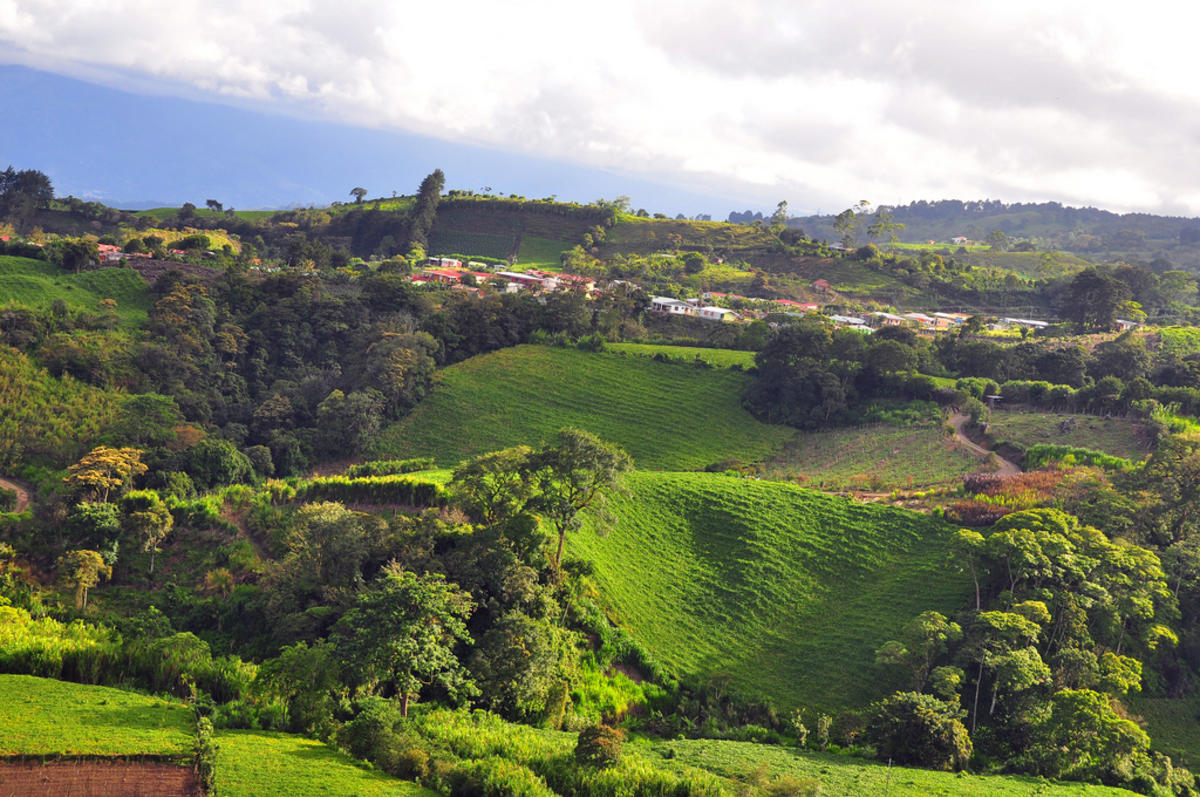
Costa Rica — Travel Tips
Social Conventions
Handshaking is common although is typically limp, and formal titular address is important. Christian names are preceded by Señor for a man and Señora for a woman, but Don is used to address a highly respected man and Doña for a female equivalent. Normal courtesies should be observed when visiting someone's home and gifts are appreciated as a token of thanks, especially if invited for a meal. For most occasions casual wear is acceptable, but beachwear should be confined to the beach.
International Travel
Getting There By Air
The national airline is Grupo Taca (TA) (www.taca.com), a consortium of five national Central American airlines.
Departure Tax
US$26, payable if staying more than 24 hours.
Main Airports
Juan Santamaría (SJO) (www.alterra.co.cr) is outside Alajuela, 23km (14 miles) northwest of San José. To/from the airport: Coaches depart regularly; return pickups stop at various hotels. Buses depart to the city every 15 minutes (journey time - 20 minutes). Some hotels have shuttle services to the airport; these are 24 hours and free of charge. Taxis are also available to the city (journey time - 15 minutes). Facilities: ATM, bank, restaurants, shops and duty-free stores.
Daniel Oduber International Airport (LIR) is 8 km (5 miles) west of Liberia. To/from the airport: Regular buses serve the airport, connecting Liberia with Playas del Coco and other beach resorts. Rental cars are available. Facilities: ATM, bank and restaurant.
Getting There By Water
Main ports: Puntarenas is the main port in the Costa Rican Pacific coast. Puerto Limón receives cruise ships on the Caribbean side.
Getting There By Road
The Inter-American Highway runs through Costa Rica from La Cruz on the Nicaraguan border through San José to Paso Canoas on the Panamanian border.
Duty Free
Overview
The following goods may be imported into Costa Rica without incurring customs duty:
• 400 cigarettes or 50 cigars or 500g tobacco.
• 3L of alcoholic beverages (people aged over 18 only).
• A reasonable quantity of perfume for personal use.
Prohibited Imports
Food items are generally not allowed to be brought into Costa Rica, but in particular fruit, vegetables, dairy, seeds and plants. Firearms are not permitted.
Prohibited Exports
It is forbidden under the CITES treaty (the Convention on International Trade in Endangered Species) to remove orchids from Costa Rica. Removing animals, dead or alive, is also forbidden, and be very careful when buying carvings or antiques in Costa Rica. Most probably you'll get freshly hand-crafted art, but removing Aztec, Incan or Mayan cultural artifacts from the country is thoroughly illegal, and happens far too often.
Internal Travel
Getting Around By Air
SANSA (www.flysansa.com) operates services between San José and provincial towns and tourist resorts, including Tortuguero, Tamarindo, Quepos and Golfito. A bus is provided from the airline offices in San José to the airport. SANSA's main rival is Nature Air (www.natureair.net), which is considered to have more reliable service and has identical routes. Both use a variety of aircraft carrying up to 35 passengers. A number of companies also provide internal charter flights using small planes.
Getting Around By Rail
There is a train that goes once daily from San José to Caldera, near Puntarenas on the Pacific Coast. Contact the national rail operators INCOFER (tel: 233 3300) for more information. The 4-hour journey is operated as a scenic ride. Local service (tel: 257 6161) connects San José to Pavas and San Pedro, in the western and eastern suburbs, respectively.
Getting Around By Road
Traffic drives on the right. The standard of the roads ranged from generally very good in the highlands to abysmal in many rural regions. Potholes are frequent, many roads remain unpaved, and during wet season landslides are common. There are 35,583km (22,110 miles) of all-weather highways including 663km (412 miles) of the Inter-American Highway and highways linking San José with the other principal towns.
Bus: There are regular and inexpensive services to most towns using modern air-conditioned, but buses are often crowded so pre-booking is advisable. Numerous bus companies compete. Interbus (tel: 283 5573; www.interbusonline.com) and Grayline Fantasy Bus (tel: 220 1226; www.graylinecostarica.com) operate scheduled services connecting key tourist destinations with each other and with San José.
Taxi: Numerous and inexpensive in San José. The taxis are colored red (except those serving the Juan Santamaría International Airport, which are orange). Taxis are usually metered, but few drivers use the meters as they figure they can extract more money from tourists by not doing so. Ask your hotel concierge how much a fare should be, and negotiate with the driver to an agreed amount before setting off.
Car hire: Major international car hire companies as well as local firms have offices in San José.
Regulations: A speed limit of 88kph (55mph) is enforced on most highways. However, Costa Ricans are notoriously dangerous drivers who pay little heed to speed limits and traffic regulations. Use of seat belts is mandatory.
Documentation: Drivers must have a national license or International Driving Permit. You must be 25 years of age to rent from most car rental agencies.
Getting Around Towns and Cities
San José has privately run bus services, charging fares on a two-zone system.
Journey Times
The following chart gives approximate journey times (in hours and minutes) from San José to other major cities/towns.
| Air | Road | |
|---|---|---|
| Alajuela | - | 0.30 |
| Cartago | - | 0.30 |
| Puntarenas | - | 2.00 |
| Puerto Limón | 0.25 | 3.00 |
Featured Tours to Costa Rica
Costa Rica Attraction Guides
PlanetWare.com Travel Guides
- Costa Rica: Costa Rica Hotels | Costa Rica Attractions
- Monteverde: Monteverde Hotels | Monteverde Attractions
- San Jose: San Jose | San Jose Hotels | San Jose Attractions


