
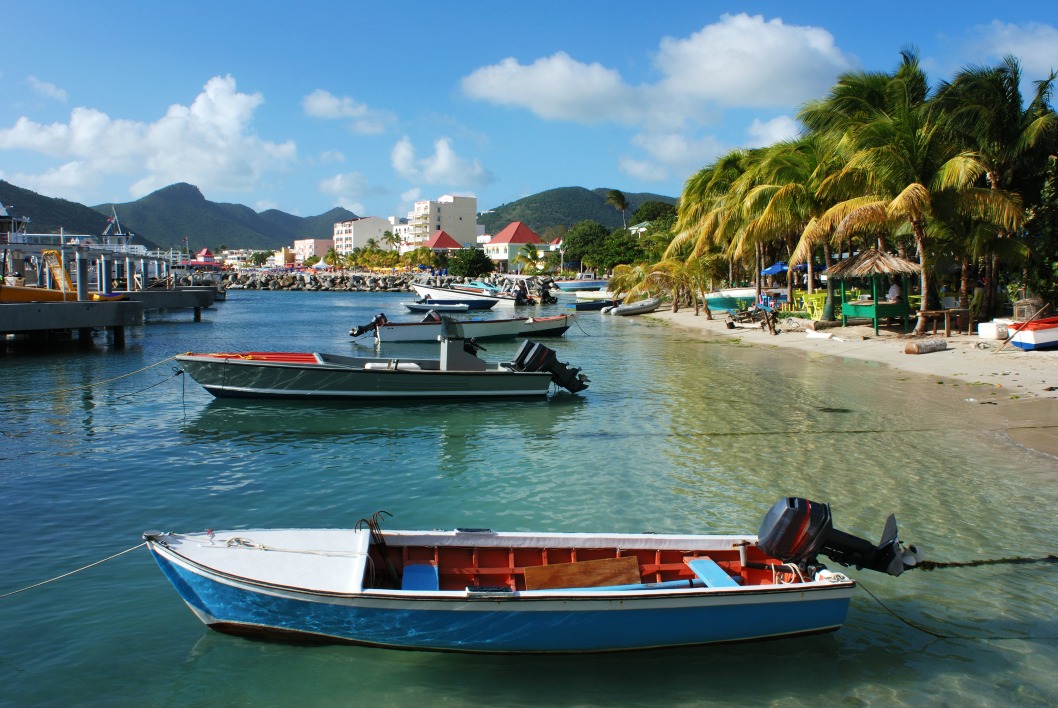
St Maarten constitutes the southern half of the island of St Martin, in the eastern Caribbean. Officially, the island is the smallest in the world ever to have been divided between two different nations. St Maarten is the Dutch side, and the northern side is French. The two nations have managed to share their border in the spirit of cooperation and mutual friendship for around 350 years. The entire island is only 37 square miles in total area, and with a visit here you will be able to see for yourself just what makes it so special that two competing nations staked a claim for this gem in the Caribbean Sea.
Beach tourism is undoubtedly the main draw of the island, and with so many picture-perfect white sandy beaches lapped with crystal clear warm waters, there is a good reason why. There are many water sports on offer here, such as scuba diving, waterskiing, and surfing. Also, boating activities provide a great way to experience the Caribbean, with many people choosing to charter a yacht or go on a boat tour or fishing excursion.
There are several places to stay on the island, built to western standards. Tourism has been developed in St Maarten since the middle of last century, and today there are many resort-style accommodations to choose from at marvelous locations overlooking the beach. St Maarten is also home to many purpose-built spas, some of which are part of top class hotel resorts providing a complete package. Dining options are varied and equally well catered for, with many high quality restaurants established here.
Beaches around St Maarten are well known to be some of the best in the world; you could easily spend a day at each one during a visit here. It is easy to see what life is like on the other side in French St Martin since there is no border control and you can drive between the two major cities in about 30 minutes. Here, you can witness a slightly more Gallic way of life, as opposed to the Dutch influences, although the entire island is unified in that English is the main language.
St Maarten is a tropical country on an island in the Caribbean Sea with very constant. In the coldest month of February, you can expect temperatures between 72-82°F. The warmest month is August, when you can expect temperatures between 78-87°F. Precipitation is fairly regular in St Maarten, and the country does not really experience a rainy season. Between mid-November and mid-April, St Maarten experiences regular trade winds blowing from the northeast, which has a pleasant cooling effect. During the summer months, the wind can be more forceful, bringing in heavy rain showers, although these showers do not last for long.
The international airport serving both sides is located in St Maarten, about 20 minutes’ drive west of the capital city, Philipsburg. Taxis are plentiful and willing to take you anywhere on both sides of the island, while car rental is an option. The island is small, so to circumnavigate your way round will only take about an hour, although there are many amazing beaches along the way that will catch your eye.
Highlights
- Take a dive in the enticing, warm tropical waters of the Caribbean Sea
- Go surfing on one of the country’s well-known, southwest-facing beaches
- Take advantage of the northwesterly trade winds that sweep the island by going windsurfing
- Splash around in the sea with water sports such as waterskiing and wakeboarding
- Have a relaxing day at one of the island’s many beaches, followed by fine cuisine at one of the top class restaurants in the country’s capital, Philipsburg
- Indulge yourself at one of St Maarten’s high quality spa resorts
- Spot colorful tropical species in this bird-lover’s paradise