
A beautiful holiday destinations in the Caribbean, Guadeloupe is composed of two main islands that boast white sandy beaches and a lush rainforest home to a variety of wildlife. Not to be outdone by any of its more well-known neighbors, it is also the site of the tallest waterfall in this part of the world.
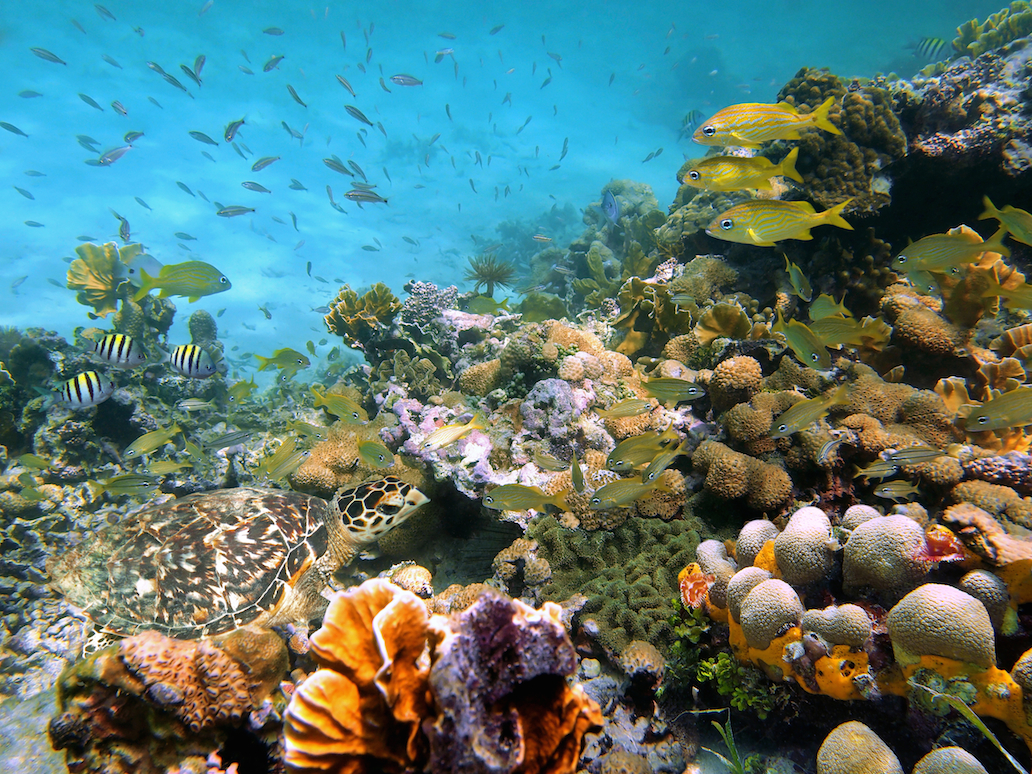
The varied terrain makes Guadeloupe an interesting challenge for active travelers. It offers rolling hills, lush tropical greenery, mountainous regions, and beautiful sea life that invites divers from all over the world to visit. Beach towns dot the eastern coast which offer a variety of entertainment hubs and surf schools. Travelers who wish to go hiking, explore the underwater reserves or enjoy outdoor pursuits should head to the western island, Basse-Terre, which is where La Soufrière volcano and the national park can be found. Beyond the two major islands are smaller islets with a range of exciting attractions and activities waiting to be discovered and experienced.
Guadeloupe is a tourist hub with plenty of discos, bars and restaurants. It is modern in many ways, but has also managed to preserve local musical traditions. Some travelers even come here to learn the biguine, a traditional dance involving heavily decorated and vibrant Creole costumes. The cuisine is not to be missed either, especially the rum punch, which is known for its unique flavor and texture.
The archipelago is considered to be among the more developed Caribbean destinations, but you might be surprised at how rural some of Guadeloupe’s villages are. Flying is the best way to get here and major airlines like Corsairfly, Air France and Air Caraibes have regular connections. A ferryboat can also transport passengers to and from neighboring islands. Getting around is easy if you drive, as the city roads are in great condition.
Highlights
- Spend a day on Grande-Terre’s beaches, which are known for their white sand
- Challenge yourself with a hike to La Soufrière, an active volcano, or to the Galion Waterfalls
- Explore Basse-Terre’s market, cathedral and Fort Louis Delgrès
- Visit historical sites like the Hindu temple and Place de la Victoire
- Discover the lifestyle of the early island inhabitants at Parc Archeologique des Roches Graves
- Scuba dive in the Pigeon Isles and the marine reserves of Basse-Terre and Petite-Terre
- Traverse the 650-acre marine park and mangrove swamp on foot or follow waterfall walks in the National Park of Guadeloupe
- Witness Fête des Cuisinières (Festival of Women Cooks) for the food, parade and live performances