
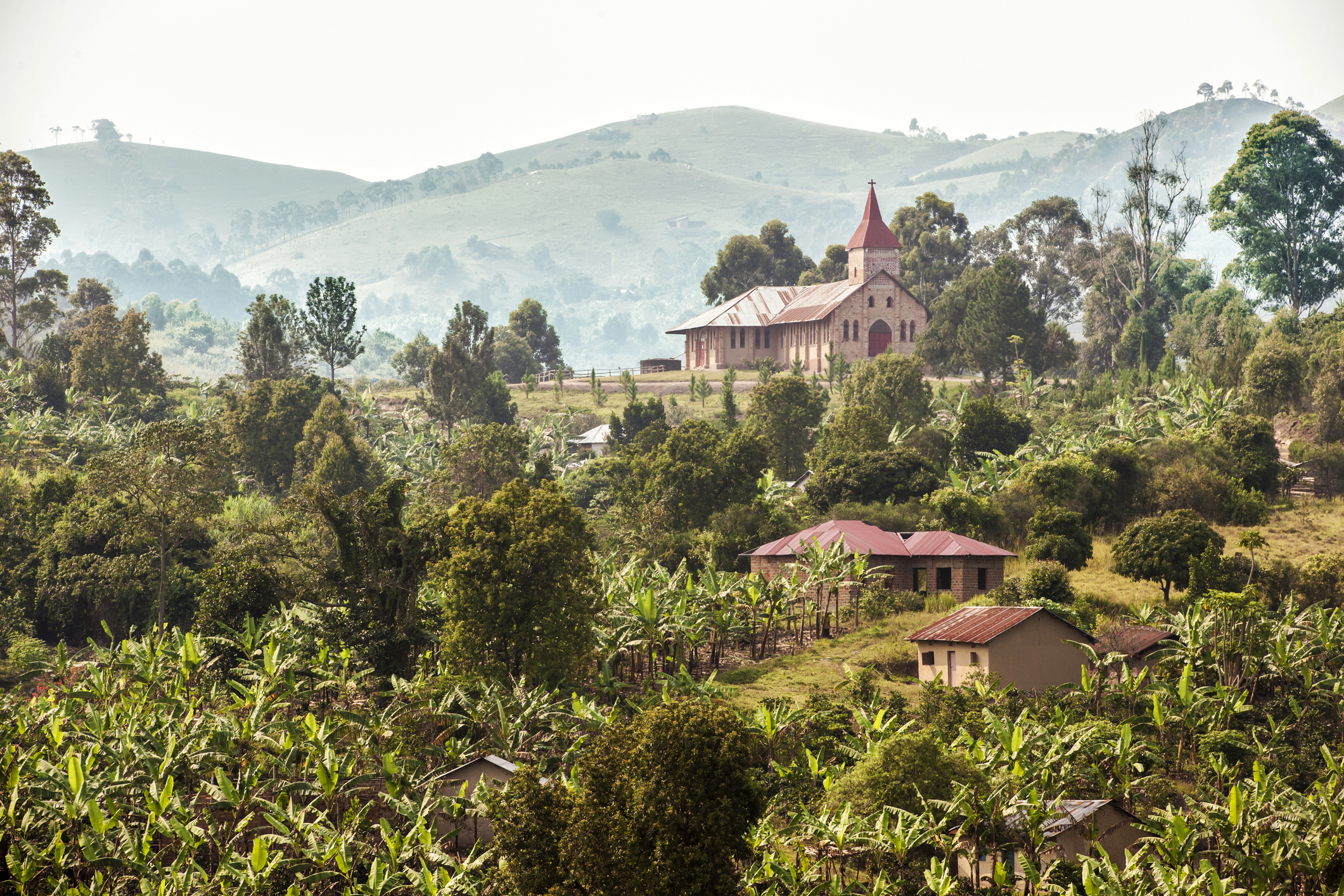
 Winston Churchill called this East African country the “Pearl of Africa,” and it does feature some diverse choices for a country that is relatively small compared to its neighbors. Northern Uganda is the largest area of the country, with the Victoria Nile separating it from Western Uganda before spilling into Lake Kyoto and then wedging its way between Central and Eastern Uganda before emptying itself into Lake Victoria, which was named after Queen Victoria and is the world’s largest tropical lake.
Uganda is a nature lover’s dream, famous for its fantastic hiking trails that lead travelers through its magnificent landscapes to catch sight of some amazing wildlife. Boating is another popular way to explore the landscapes and wildlife thanks to its numerous rivers and African Great Lakes. Travelers can also hike through the mountains and enjoy the views from above or go climbing to the peak of Mount Elgon.
Queen Elizabeth Park is the most visited park in the country, which spans across four districts and occupies 764 square miles of land, extending from Lake George to Lake Edward. In addition to these two lakes, Uganda is also home to three other African Great Lakes, Lake Albert, Lake Kyoga and Lake Victoria. Still, the entire country is filled with landscapes that look like they are fresh out of the latest volume of National Geographic.
Accommodations vary from cheap hostels to more high-end hotels and many visitors choose to save money by sleeping in tents, and there are plenty of places to do just that. Most standard hotels are quite simple, offering shared bathrooms, while bed and breakfasts are a great way to feel more at home and really learn about the Ugandan culture. Ugali is a staple here, which is made from maize or millet and served with vegetables and meat and a delicious sauce. Food here has many influences so popular snacks to be found include Indian samosa, mugati naamaggi (an Arab influenced snack of eggs and bread) and roasted peanuts, and Chinese food and fast-food are also available.
The tropical climate of Uganda means that, just about every month of the year, it rains. There are still variences in weather by region, for instance, in the south near Kampala and Lake Victoria get less rainfall and average temperatures of 79°F, while the northern region (towards the Sudan savanna) is much hotter and drier by comparison. Typically Uganda has two wet seasons (March-May & September-November) and two dry seasons (December-February & June-August) throughout the year. The most popular time to visit the country is from June-August; this period of time is warm, and excellent for gorilla treks and rafting trips. This, however, is the high time for tourists and crowds will likely be as large as they get in Uganda. If you want to avoid other travelers altogether, April is the best time of year to see Uganda without lots of other people around.
Getting around Uganda by land offers visitors the change to really take in the amazing scenery throughout the entire country. The 5,109-meter Mount Stanley is the country’s highest peak, which the Greek astronomer Ptolemy described as the ‘mountains of the moon’, while a drive along the incredible Lake Victoria offers some more great scenery and will take travelers right into Kenya, to the east, and Tanzania, to the south.
Entebbe International Airport is the gateway into Uganda, and it has links to major cities across Africa as well as a few flights to and from Europe. Visitors that arrive by car usually do so via Highway A-109 from Kenya and the Democratic Republic of Congo or via the Bajja Highway from Tanzania. Buses are a relaxed way to travel, with arrivals coming from all neighboring countries. Domestic buses are also widely available and provide a way to get to any city within the country, while ferries head to the Sesses Islands on Lake Victoria.
Highlights
- Spot mountain gorillas in the Bwindi Impenetrable National Park
- Take an adventurous rafting trip along the Nile
- Go on a horse ride to visit local villages
- Soak up amazing views of the mountains and waterfalls in Sipi
- Search for lions at the Queen Elizabeth National Park
- Hike through the spectacular Rwenzori Mountains
- Enjoy sport fishing at Lake Mburo
- Shop for fair trade crafts at Kampala’s Uganda Crafts 2000 Ltd